Peri/Menopausal Hair Loss

Menopausal Hair Loss: Hormonal Changes & Hair Follicle Health

Expert advice, tips, and treatments for hair thinning during perimenopause and menopause.

Understanding Menopausal Hair Loss

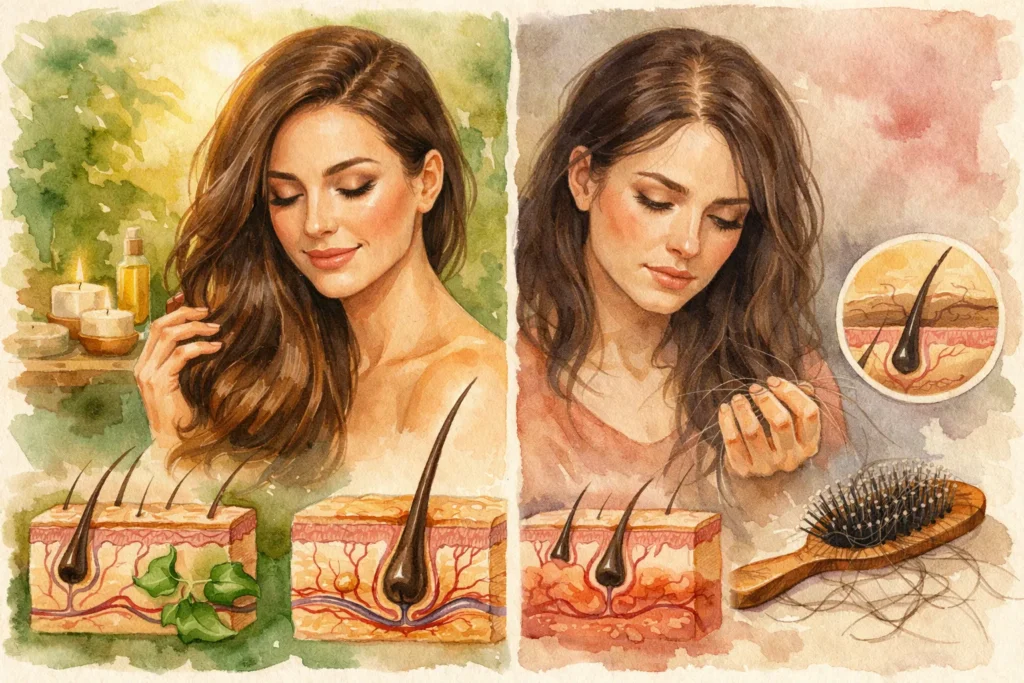
Hair loss during menopause is common and often distressing. Women typically experience diffuse thinning across the scalp, a widening part line, and slower regrowth of shed hairs. Unlike male pattern baldness, complete bald patches are rare. Menopause-related hair loss results primarily from hormonal changes, particularly a drop in estrogen, which is critical for maintaining healthy hair growth.

The Role of Hormones in Hair Health

  • Estrogen: Supports hair follicle size, prolongs the growth (anagen) phase, and maintains scalp circulation. The drop in estrogen during menopause contributes to follicle miniaturization.
  • Androgens: With lower estrogen, the relative effect of androgens increases, leading to thinner, shorter hairs.
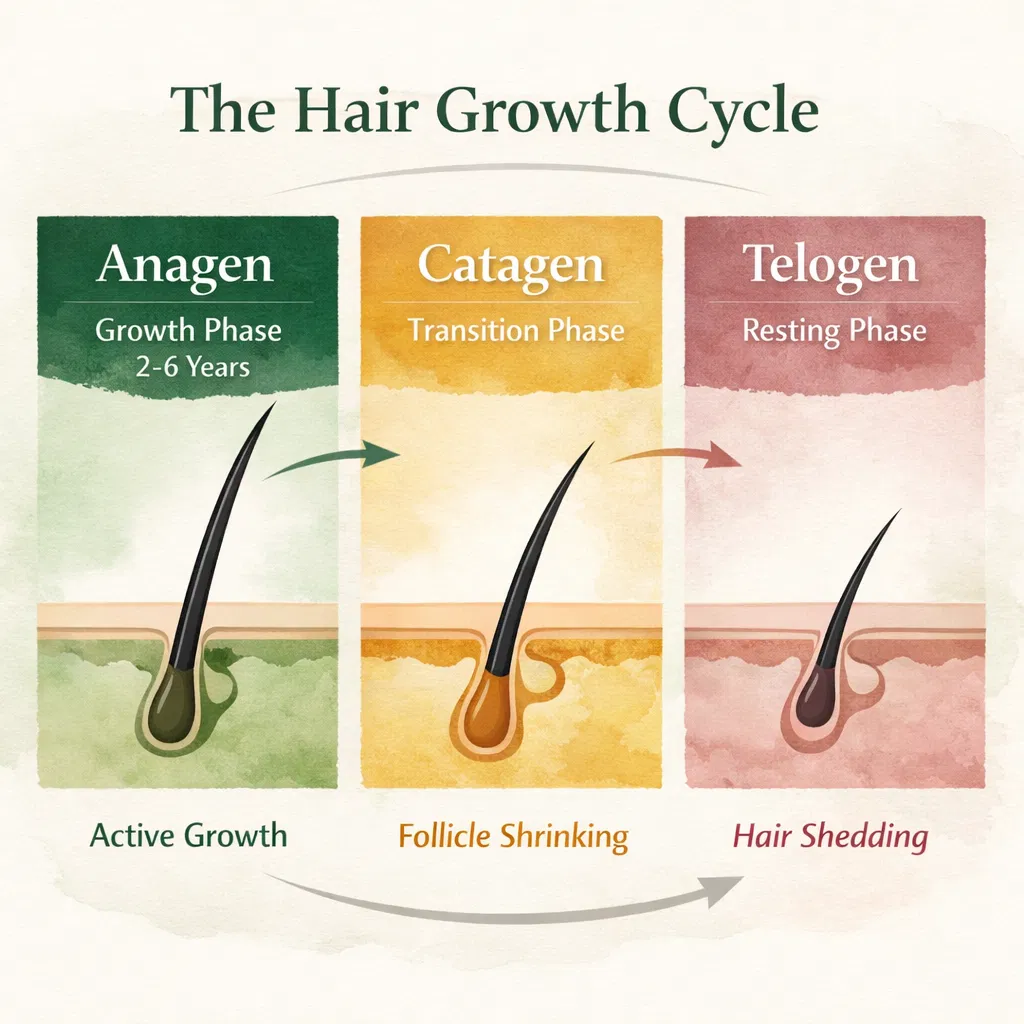
  • Follicle cycling: Reduced estrogen shortens the growth phase and prolongs the resting phase, increasing shedding.

The Arrector Pili Muscle and Hair Follicle Miniaturization

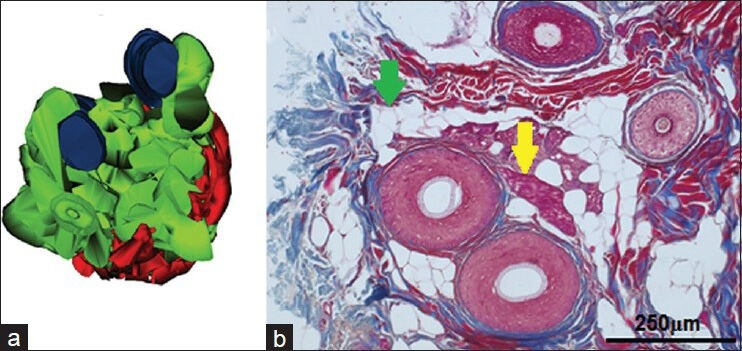
Recent research by A/Prof Niloufar Torkamani has highlighted the role of the arrector pili muscle (APM) in hair health. The APM connects each hair follicle to the skin and provides structural support. Studies show that in hair loss conditions, including menopause-related thinning, estrogen deficiency can lead to APM degeneration, contributing to hair follicle miniaturisation and irreversible thinning.

A/Prof Torkamani et al., 2014: Destruction of arrector pili muscle in pattern hair loss. – Microanatomy of arrector pili muscle and follicle interaction.

Signs & Symptoms

  • Diffuse thinning over the crown and vertex
  • Widening part line
  • Slower hair growth and increased shedding
  • Finer, brittle hair texture

Diagnosis

Diagnosing menopausal hair loss requires a combination of history, examination, and laboratory tests:

  • Medical history including menopause onset and symptoms
  • Physical scalp examination and hair density assessment
  • Blood tests: estrogen, FSH, LH, thyroid, and androgen levels
  • Assessment of other hair loss causes such as iron deficiency or medications

Treatment & Management

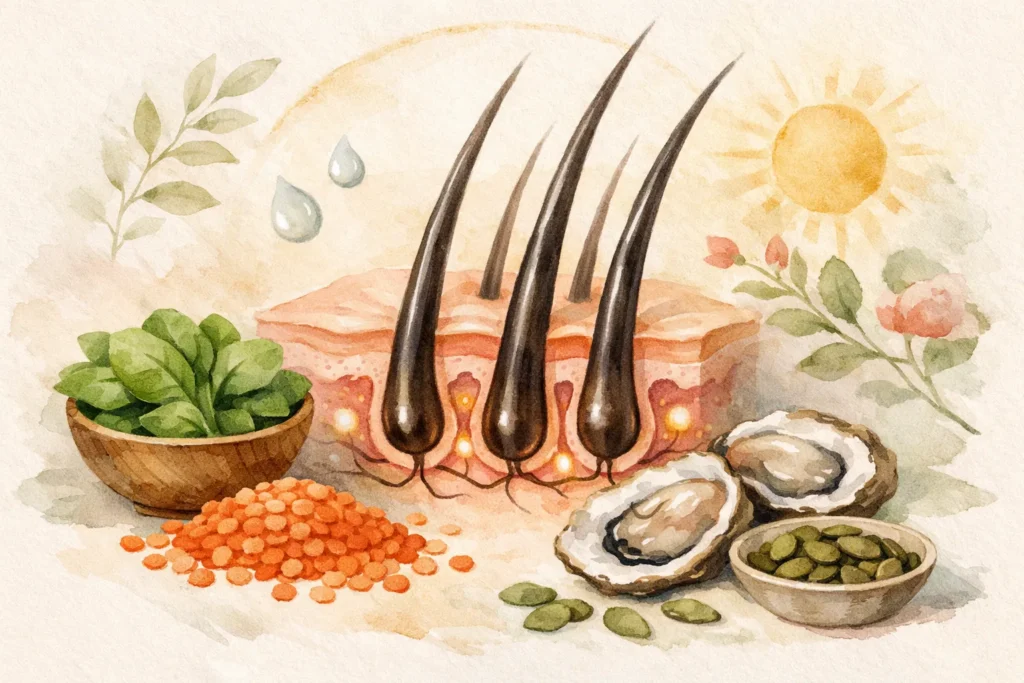
  • Lifestyle & Nutrition: Balanced diet rich in protein, iron, zinc, and vitamin D; stress management; gentle hair care.
  • Topical Therapies: Minoxidil to prolong the growth phase and improve density. While this can increase hair growth, it does not address the underlying hormonal issues.
  • Hormonal Treatments: Hormone replacement therapy (HRT) in selected patients may help mitigate estrogen-related follicle changes under medical supervision. Hairevive is Australia’s leading treatment in hormonal hair loss treatment in menopause and perimenopause.
  • Advanced Therapies: Low-level laser therapy, PRP, and anti-androgenic medications in specialised cases.

Conclusion

Menopausal hair loss is a complex interplay of hormonal changes, follicle miniaturisation, and structural support loss in the arrector pili muscle. Understanding these mechanisms, including the pioneering research by A/Prof Niloufar Torkamani, allows for targeted and evidence-based interventions to slow thinning, improve hair density, and support healthy hair during the menopausal years.

References

A/Prof Niloufar Torkamani is a leading endocrinologist specialising in hair loss and hormonal disorders in women and men. She integrates advanced endocrine care with the latest therapies for hair restoration, including treatments targeting androgenic alopecia, hormonal imbalance, and PCOS-related hair thinning. She combines clinical expertise with evidence-based innovation, guiding patients through tailored medical solutions that optimize hair growth and overall health. A/Prof Torkamani is also involved in international research and education, promoting awareness and effective management strategies for hair loss as part of endocrine health.