Education Hub
Discover how diet impacts hair growth and the key nutrients required to support stronger, thicker, and healthier hair.
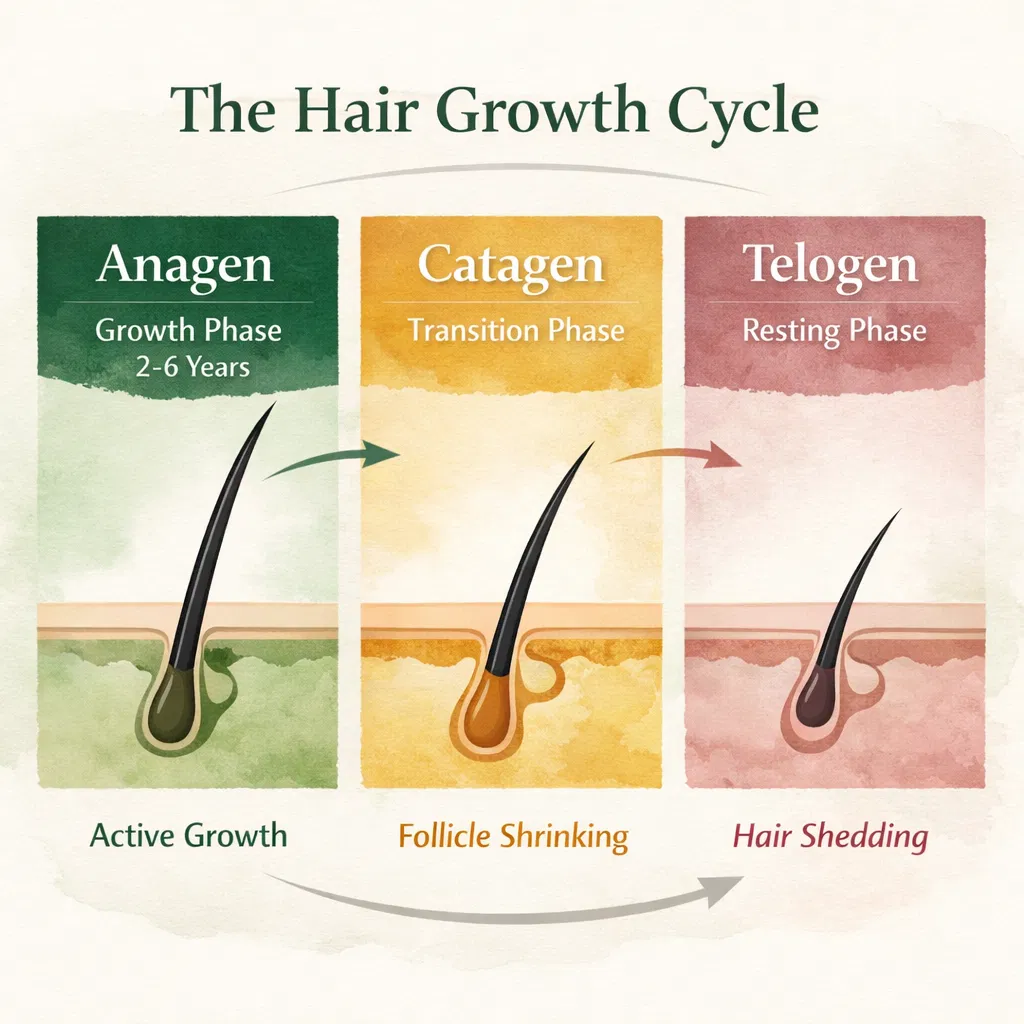
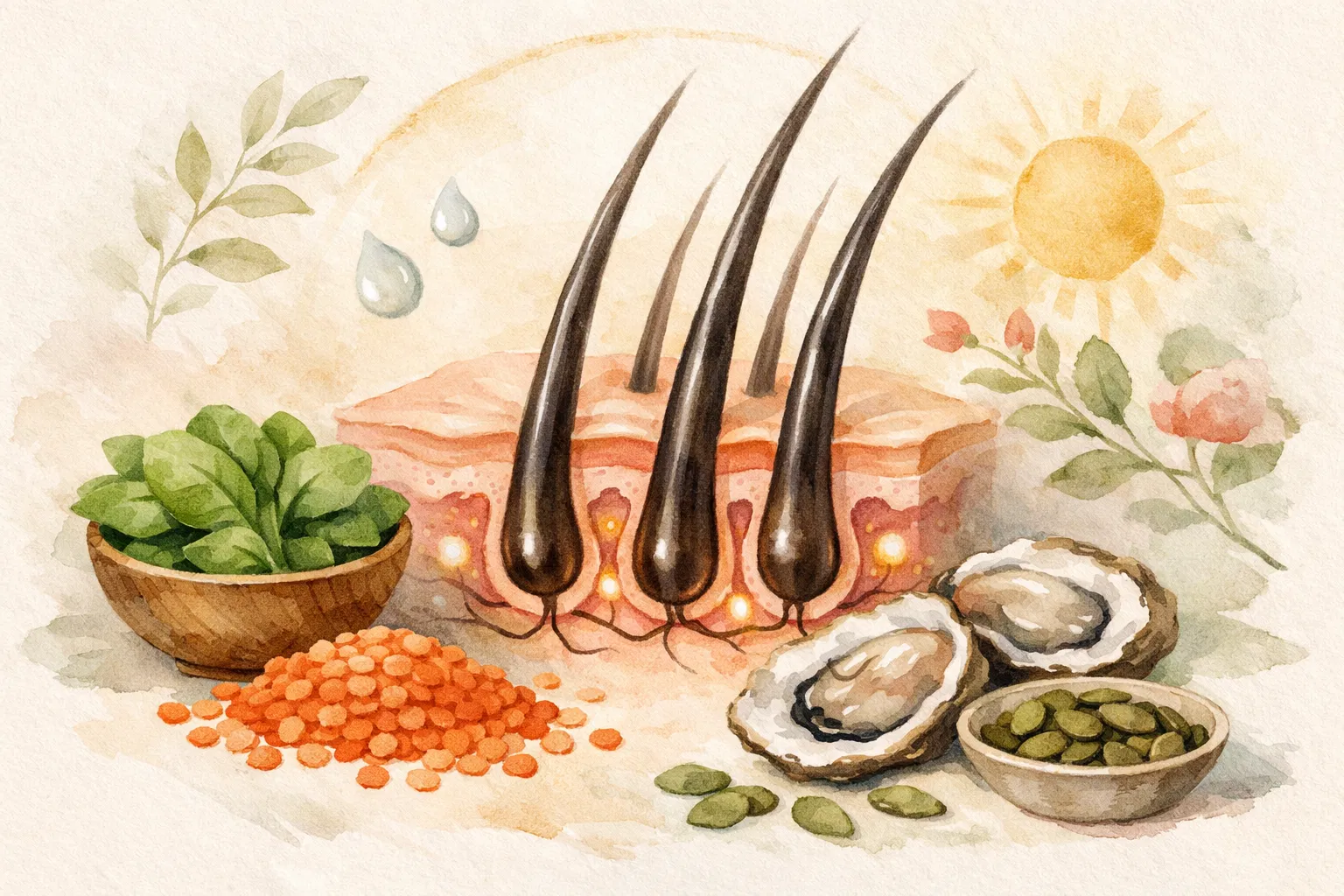
Hair follicles are among the most metabolically active structures in the body. They require a constant supply of nutrients to maintain the hair growth cycle, particularly the anagen (growth ) phase. Nutritional deficiencies can disrupt this cycle, leading to increased shedding, thinning, and reduced hair quality. When your body lacks essential nutrients, hair follicles shift prematurely into the telogen (resting) phase, resulting in diffuse hair loss that can be both frustrating and reversible with proper nutritional support.
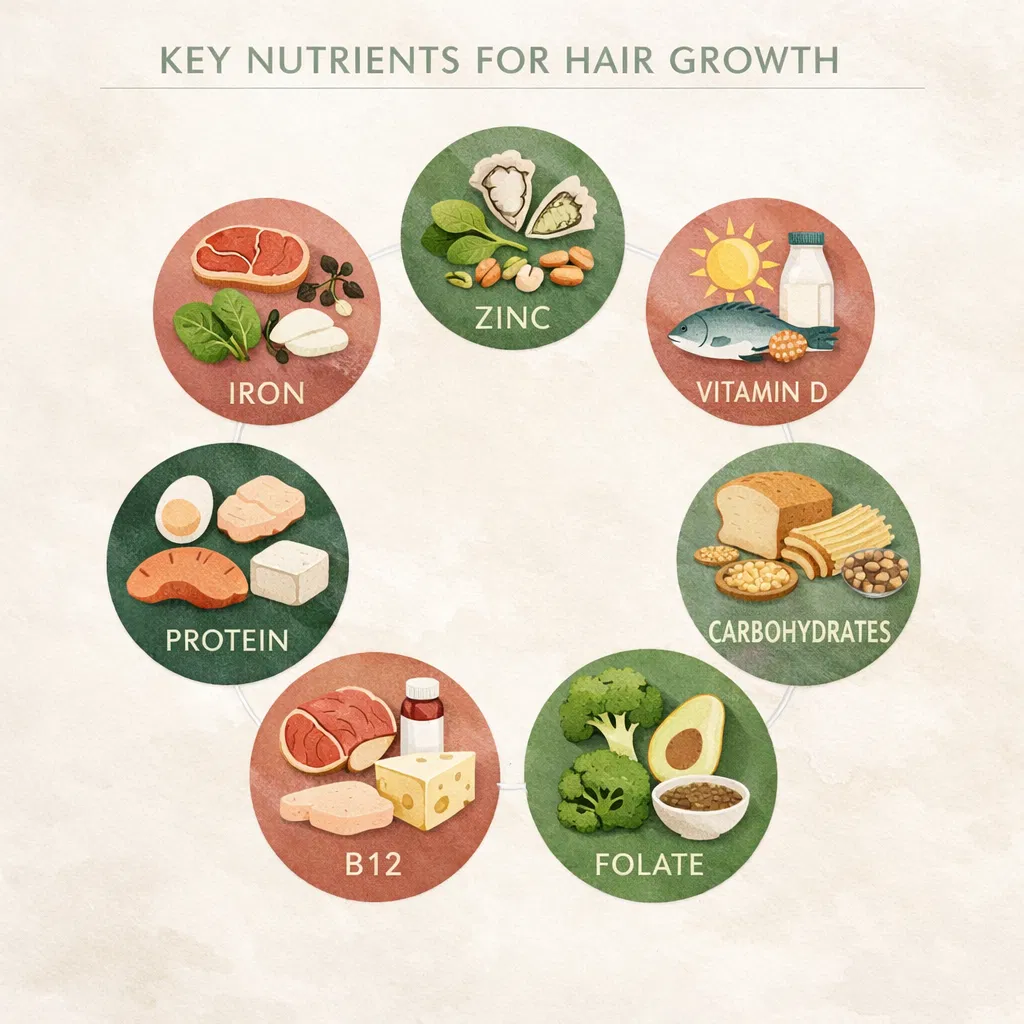
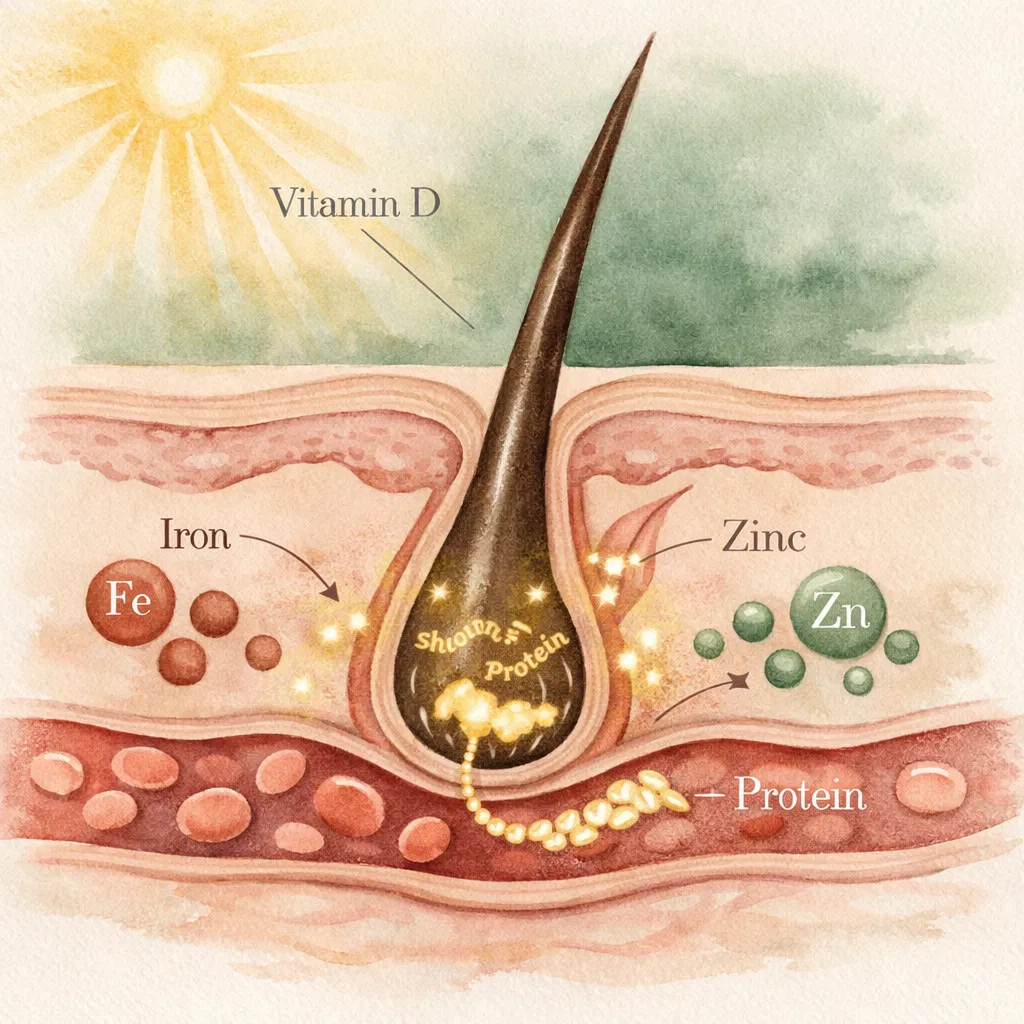
Iron deficiency is one of the most common causes of hair loss, particularly in women. Iron is essential for oxygen transport to hair follicles. Low ferritin levels are strongly associated with telogen effluvium and chronic hair shedding.
Zinc plays a critical role in hair tissue growth and repair. It also supports oil gland function around the follicle. Deficiency can lead to hair thinning, increased shedding, and poor scalp health.
Vitamin D is important for follicle cycling and activation of hair stem cells. Low levels have been linked to various forms of hair loss, including androgenetic alopecia and telogen effluvium.
Hair is primarily composed of keratin, a structural protein. Inadequate protein intake can shift hair follicles into the resting phase, resulting in increased shedding and weaker hair strands.
Adequate carbohydrate intake supports overall metabolic function and prevents stress-induced hair shedding. Extremely low-carb diets can increase cortisol levels and contribute to telogen effluvium.
Vitamin B12 is essential for red blood cell production and oxygen delivery to follicles. Deficiency can lead to diffuse hair thinning and reduced hair density.
Folate supports DNA synthesis and cell division, both critical for rapidly growing hair follicles. Low levels may impair follicle regeneration and hair growth.
Hair loss is rarely caused by a single deficiency. Instead, it often reflects a combination of nutritional, hormonal, and metabolic factors. Optimising nutrition is a foundational step in any effective hair restoration strategy. When multiple nutrient deficiencies exist simultaneously, the impact on hair health is compounded, making comprehensive nutritional assessment and supplementation essential for successful hair regrowth.
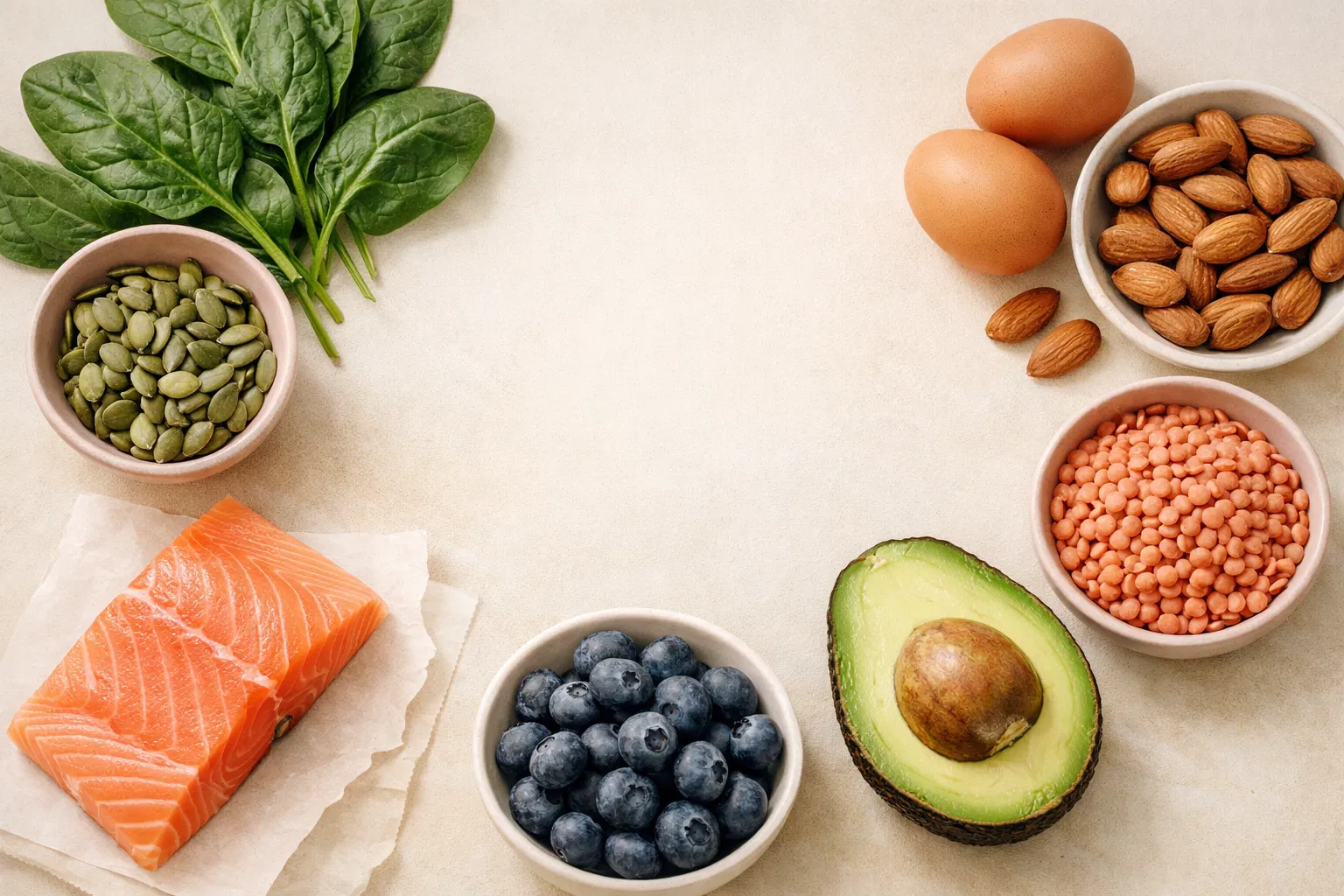
Include lean meats, fish, eggs, legumes, and dairy in every meal to ensure adequate keratin synthesis.
Red meat, spinach, lentils, and fortified cereals support oxygen transport to follicles.
Aim for 15-30 minutes of sunlight daily or include fatty fish and fortified milk.
Oysters, beef, pumpkin seeds, and chickpeas are excellent zinc sources.
Whole grains, leafy greens, and legumes provide essential B vitamins for follicle health.
Blood work can identify specific deficiencies requiring targeted supplementation.
Ensuring adequate intake of key nutrients such as iron, zinc, vitamin D, protein, carbohydrates, B12, and folate is essential for maintaining healthy hair growth. Addressing deficiencies early can significantly improve hair quality, reduce shedding, and support long-term follicle health. When combined with other evidence-based treatments like those offered through Hairevive, nutritional optimization creates a comprehensive approach to hair restoration that addresses the root causes of hair loss.

Written by A/Prof Niloufar Torkamani
A/Prof Niloufar Torkamani is a leading endocrinologist specialising in hair loss and hormonal disorders in women and men. She integrates advanced endocrine care with the latest therapies for hair restoration, including treatments targeting androgenic alopecia, hormonal imbalance, and PMOS-related hair thinning. She combines clinical expertise with evidence-based innovation, guiding patients through tailored medical solutions that optimize hair growth and overall health. A/Prof Torkamani is also involved in international research and education, promoting awareness and effective management strategies for hair loss as part of endocrine health.