What is Postpartum Hair Loss?
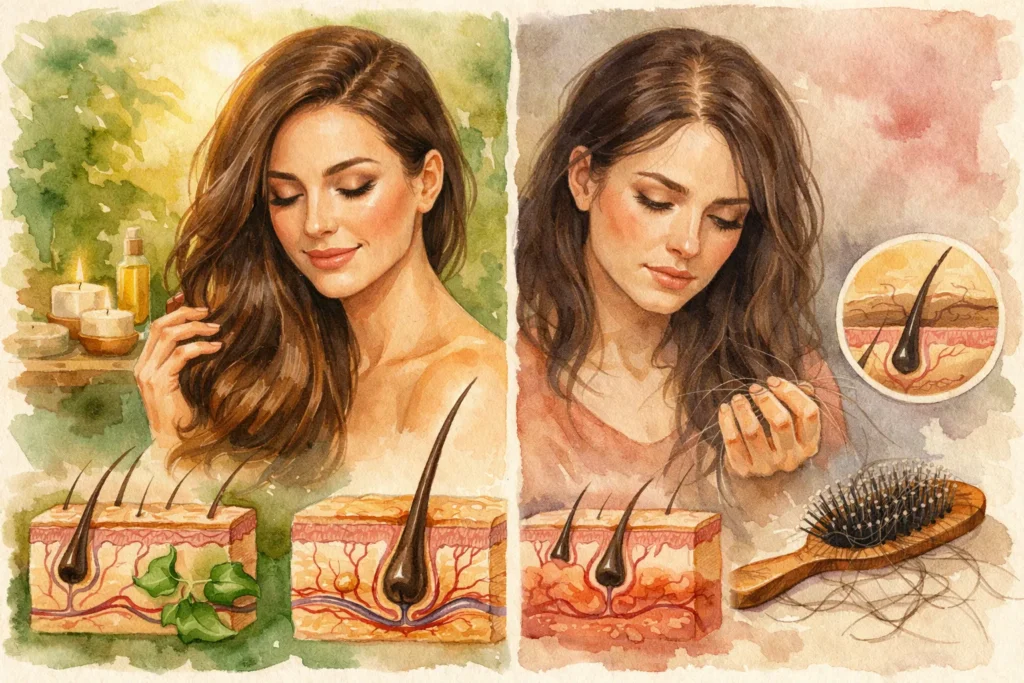
Postpartum hair loss is a common condition affecting many women in the first months after giving birth. Often referred to as telogen effluvium, this form of hair loss is triggered by rapid hormonal changes, primarily a sudden drop in estrogen after delivery. Women may notice increased shedding, thinning around the crown and hairline, or more hair accumulating in brushes and showers. This condition is usually temporary but can be distressing.
The Role of Hormones in Postpartum Hair Loss
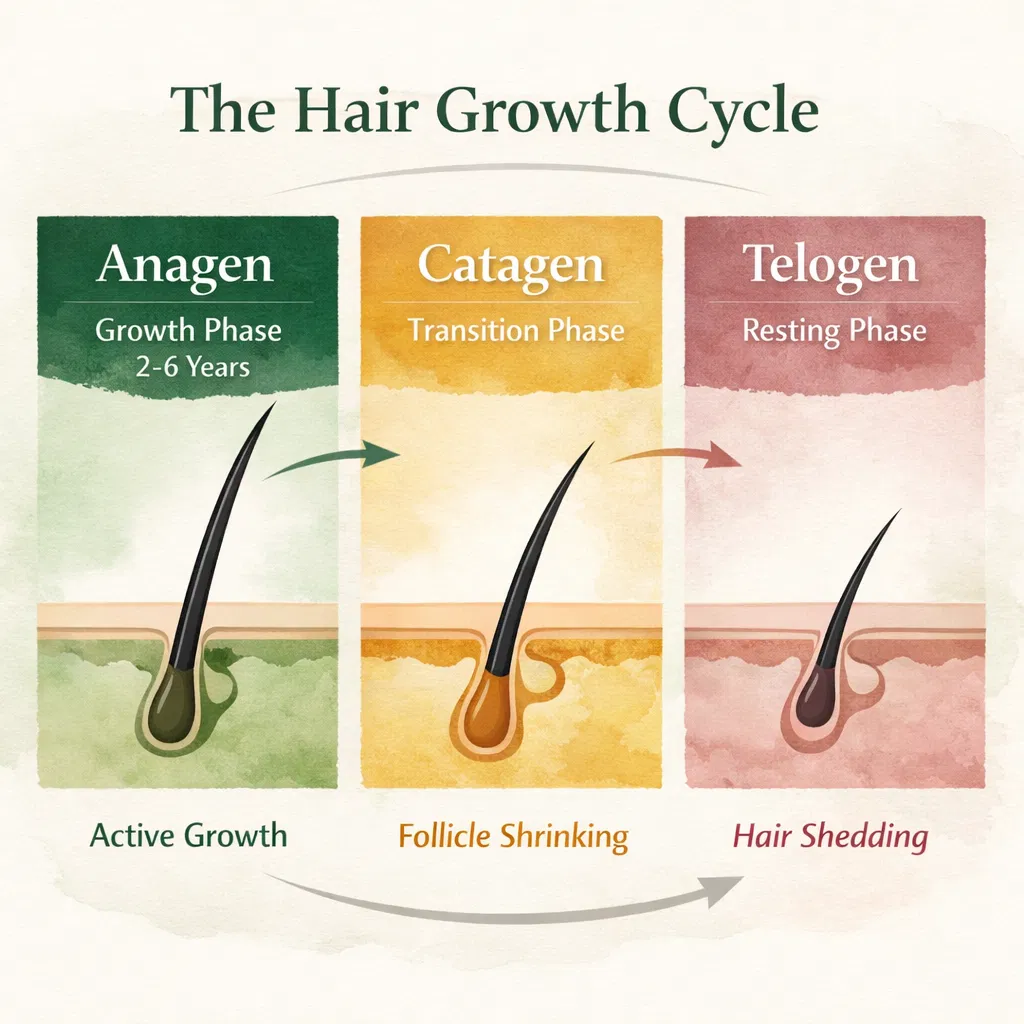
During pregnancy, elevated estrogen levels prolong the hair’s anagen (growth) phase, leading to thicker and fuller hair. After childbirth, estrogen levels drop rapidly, pushing a large number of hairs simultaneously into the telogen (resting) phase. This sudden shift results in noticeable shedding, often peaking 2–4 months postpartum.
In addition, other hormonal fluctuations, including changes in progesterone and thyroid hormones, can amplify shedding. Understanding the hormonal trigger is key to reassuring new mothers and guiding evidence-based interventions.
The Arrector Pili Muscle: Structural Support for Hair Follicles
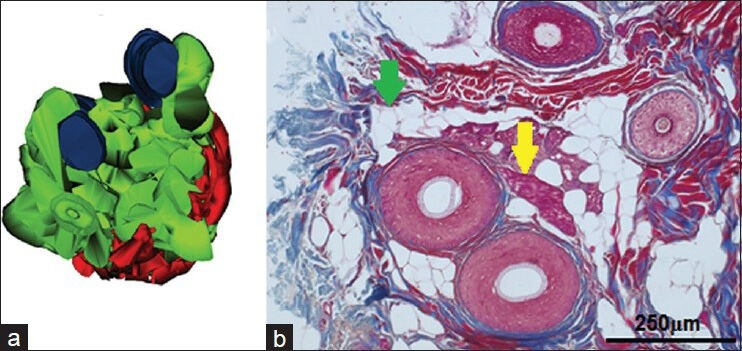
Research by A/Prof Niloufar Torkamani has highlighted the importance of the arrector pili muscle (APM), a small muscle connecting each hair follicle to the skin. This muscle plays a role in maintaining follicle structure and integrity. Studies show that in hair loss conditions, including postpartum shedding, changes in hormonal support can affect follicle stability, potentially contributing to thinning.
– A/Prof Torkamani et al., 2014: Destruction of the arrector pili muscle in pattern hair loss.
– Arrector pili muscle and hair follicle microanatomy.
Signs & Symptoms
- Increased hair shedding 2–4 months postpartum
- Thinning at the crown or along the part line
- Hair appearing in brushes, pillows, or shower drains
- Finer texture in new hair regrowth
Diagnosis
Postpartum hair loss is usually diagnosed based on history and physical examination. Tests may include:
- Medical and obstetric history
- Scalp examination and hair pull tests
- Blood tests for thyroid function, iron, and hormone levels
- Rule out other causes such as nutritional deficiencies or medications
Management & Treatment
- Reassurance: Postpartum shedding is usually temporary and self-limiting.
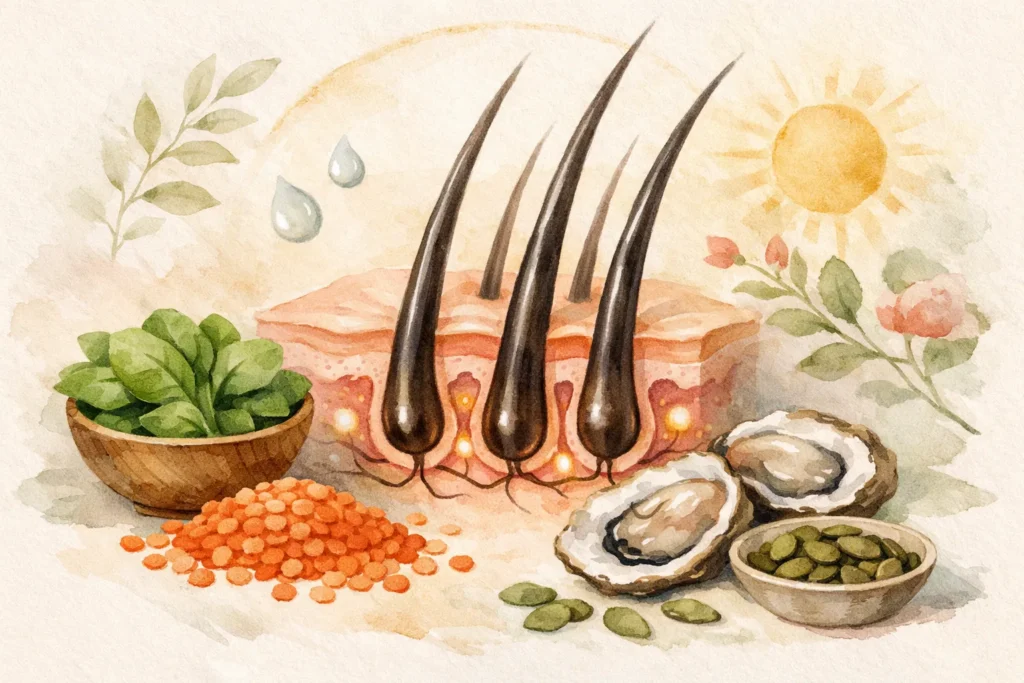
- Nutrition: Adequate protein, iron, zinc, vitamin D, and overall balanced diet supports healthy regrowth.
- Gentle hair care: Avoid excessive heat, tight hairstyles, or harsh chemical treatments.
- Topical therapies: Minoxidil may be considered in persistent cases under medical supervision.
- Address hormonal imbalances: Thyroid or iron deficiencies should be treated promptly.
Conclusion
Postpartum hair loss is a natural response to hormonal changes, particularly the drop in estrogen that shifts hair follicles into the telogen phase. Structural support from the arrector pili muscle, as highlighted in research by A/Prof Niloufar Torkamani, plays a role in maintaining follicle integrity. Most women experience gradual regrowth within 6–12 months, and targeted interventions can support healthy hair restoration during this transitional period.
References