Evidence-based solutions for thinning hair, from proven therapies to advanced all-in-one treatments.
Thinning hair is a multifactorial condition affecting both men and women. It is driven by a combination of genetic susceptibility, hormonal influences, metabolic health, and environmental factors. The most important biological driver is dihydrotestosterone (DHT), which binds to androgen-sensitive follicles and causes progressive miniaturisation.
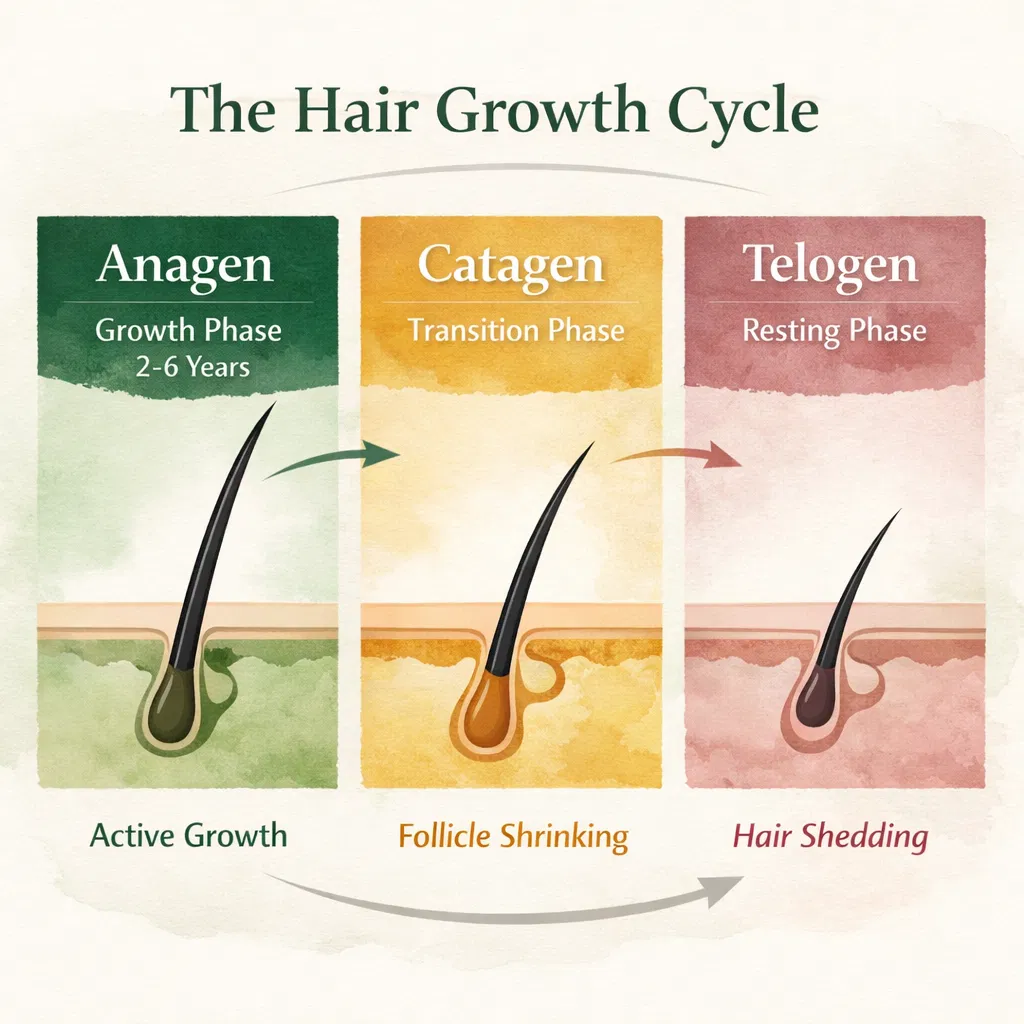
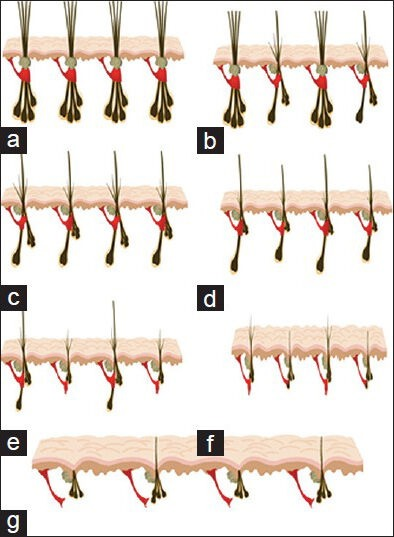
Over time, affected follicles produce thinner, shorter hairs, and the growth phase (anagen) becomes progressively shorter. Structural changes, including degeneration of the arrector pili muscle, may contribute to irreversible hair loss if not treated early.
Beyond follicle miniaturisation, structural changes in the arrector pili muscle (APM) are increasingly recognised as a critical factor in hair loss. Over time, this tiny muscle, which attaches the follicle to the skin, can undergo fat degeneration, reducing its ability to support hair anchoring and scalp health.
Importantly, the arrector pili muscle contains oestrogen receptors. Oestrogen plays a vital role in regulating hair follicle function, particularly in female pattern hair loss. A decline in local oestrogen signalling or receptor activity can exacerbate miniaturisation and contribute to progressive thinning.
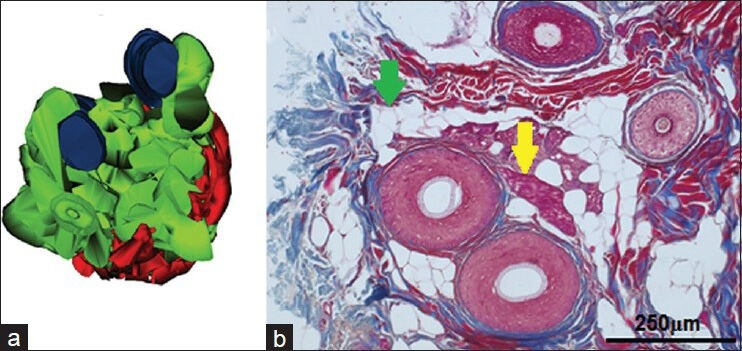
Illustration showing arrector pili muscle degeneration and oestrogen receptor involvement in female pattern hair loss.
Reference: https://pubmed.ncbi.nlm.nih.gov/24579818/
Hair loss and hair thinning can have a range of contributing factors, and the appropriate approach varies between individuals.
Hairevive provides clinician-led assessment and individualised treatment planning for people experiencing hair thinning or hair loss. Treatment recommendations are made following clinical assessment and may vary depending on the individual’s history, examination findings and treatment needs.
Understanding Hair Loss
Hair loss can be associated with a range of factors, including genetic predisposition, hormonal influences,
nutritional
factors, medical conditions, medications and changes in the hair growth cycle.
A comprehensive assessment can help identify potential contributing factors and determine whether further
investigation
or treatment is appropriate.
Medical Treatment Options
Depending on the clinical assessment, treatment may involve prescription or non-prescription options. Where
prescription
treatment is considered appropriate, it is prescribed by a medical practitioner following an individual clinical
assessment.
Treatment options may include therapies that are used in the management of certain forms of hair loss. The
suitability
of any treatment depends on the individual’s circumstances, medical history and potential risks and benefits.
Scalp and Hair Care
Scalp health and appropriate hair-care practices may form part of an overall management plan. Recommendations
are
individualised according to the person’s clinical presentation and needs.
Nutritional Factors
Adequate nutrition is important for general health and normal hair growth. Where clinically indicated,
assessment may
consider nutritional status and other potential contributors to hair loss.
Nutritional supplementation is not routinely required for everyone with hair loss and should be guided by
clinical
assessment where appropriate.
Why Individualised Care Matters
There is no single treatment that is appropriate for everyone experiencing hair loss.
Hairevive takes an individualised approach, with treatment recommendations based on clinical assessment rather
than a
one-size-fits-all model. Ongoing review may be recommended to assess the individual’s response and determine
whether
treatment should be continued, adjusted or changed.
What to Expect
Hair growth and changes in hair density occur gradually, and the course varies between individuals. The
timeframe for
assessing treatment response depends on the underlying cause of hair loss and the treatment selected.
Hairevive
Hairevive provides personalised, clinician-led care for people experiencing hair thinning and hair loss.
Treatment is determined on an individual basis following medical assessment, with ongoing review where
appropriate.
Hair loss can have multiple contributing factors, so treatment is often individualised according to the type and cause of hair loss, medical history and other relevant factors.
Some topical treatments may help support hair growth and reduce ongoing hair shedding in certain types of hair loss. Their suitability depends on the individual and the underlying cause of hair loss. Consistent use over time is generally important, and treatment response can vary between individuals.
Depending on the type and cause of hair loss, a healthcare professional may consider medical treatments that influence hormonal pathways involved in hair follicle cycling.
These treatments are not suitable for everyone and may require medical assessment, consideration of contraindications and ongoing monitoring. Treatment should be selected based on an individual’s circumstances rather than used without professional guidance.
Low-level light therapy uses specific wavelengths of light applied to the scalp. It may help support hair growth in some people with certain types of hair loss.
It is generally considered an adjunctive treatment, and results can vary depending on the individual, the device used and the underlying cause of hair loss.
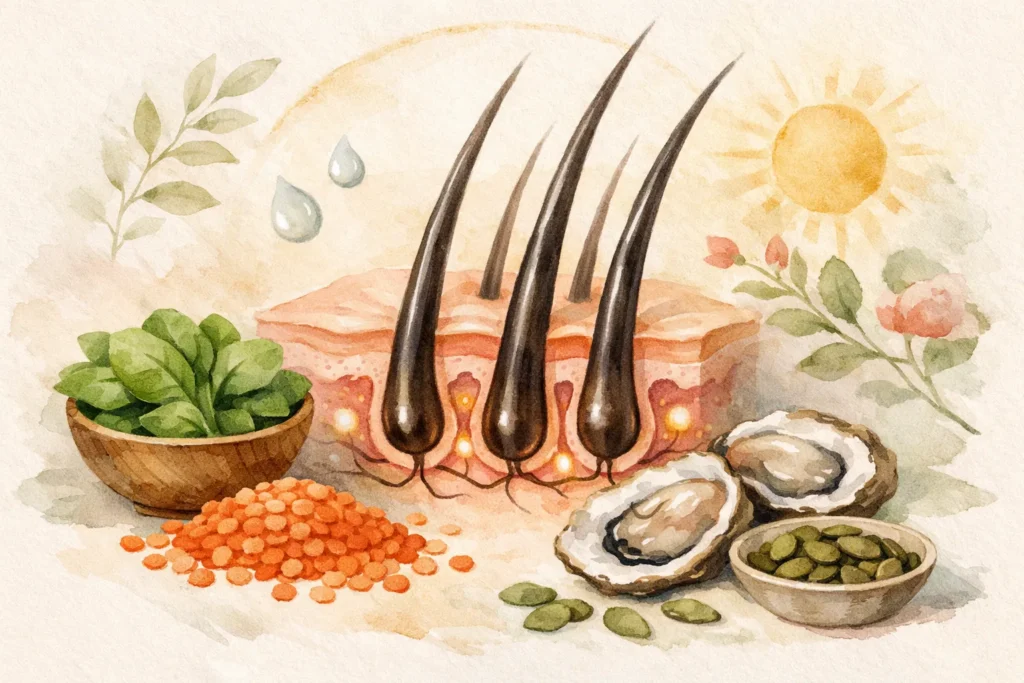
Adequate nutrition is important for normal hair growth. Where nutritional deficiency is suspected, assessment and correction may form part of an overall hair-loss management plan.
Nutrients relevant to hair health can include:
Nutritional supplements are not routinely required for everyone with hair loss. Where appropriate, deficiencies should be assessed and managed under the guidance of a healthcare professional.

Written by A/Prof Niloufar Torkamani
A/Prof Niloufar Torkamani is a leading endocrinologist specialising in hair loss and hormonal disorders in women and men. She integrates advanced endocrine care with the latest therapies for hair restoration, including treatments targeting androgenic alopecia, hormonal imbalance, and PMOS-related hair thinning. She combines clinical expertise with evidence-based innovation, guiding patients through tailored medical solutions that optimize hair growth and overall health. A/Prof Torkamani is also involved in international research and education, promoting awareness and effective management strategies for hair loss as part of endocrine health.