Education Hub
A complete guide to hair loss causes and how Hairevive provides a one-stop solution for healthier, fuller hair.
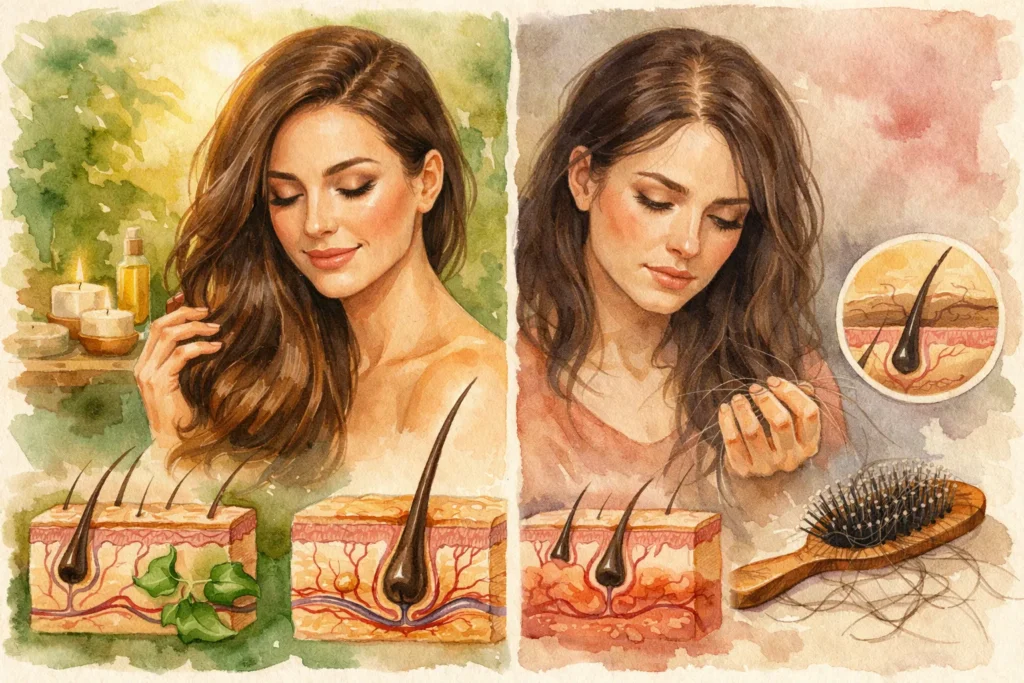
Hair loss, or alopecia, affects both men and women and can present as thinning, increased shedding, or complete loss in certain areas. While some hair shedding is normal—typically 50 to 100 hairs per day—excessive or persistent loss often reflects underlying hormonal, metabolic, or environmental factors affecting the hair growth cycle. Understanding the root causes is essential for effective treatment and recovery.
Hair follicles cycle through three key phases that determine hair health and density:
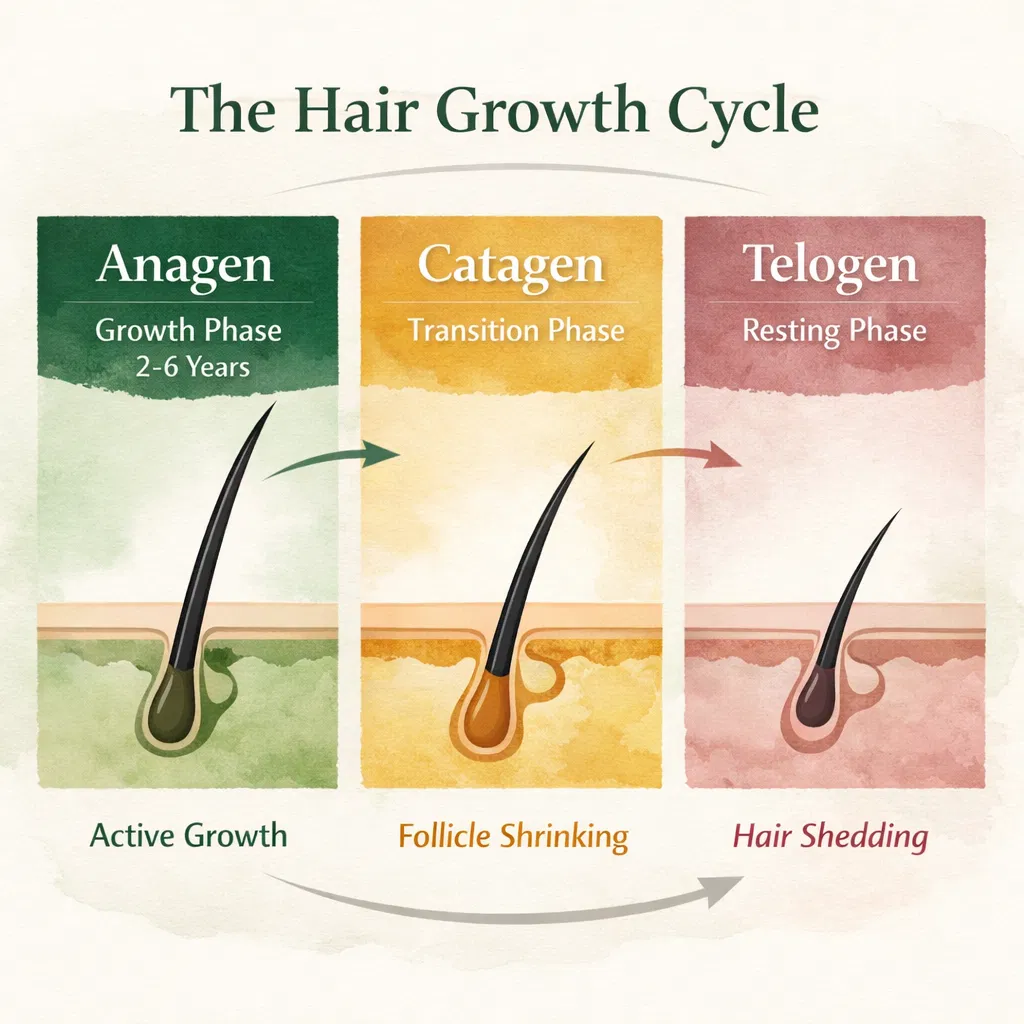
Lasts 2–6 years and determines hair length and density. During this phase, hair grows actively and is most visible. This is the longest phase of the hair cycle.
A short phase lasting 2–3 weeks where growth slows and the follicle begins to shrink. Hair stops growing but remains in place.
Lasts 2–3 months. Hair sheds and new growth begins beneath. Disruption of this cycle—particularly shortening of the anagen phase—leads to visible thinning.
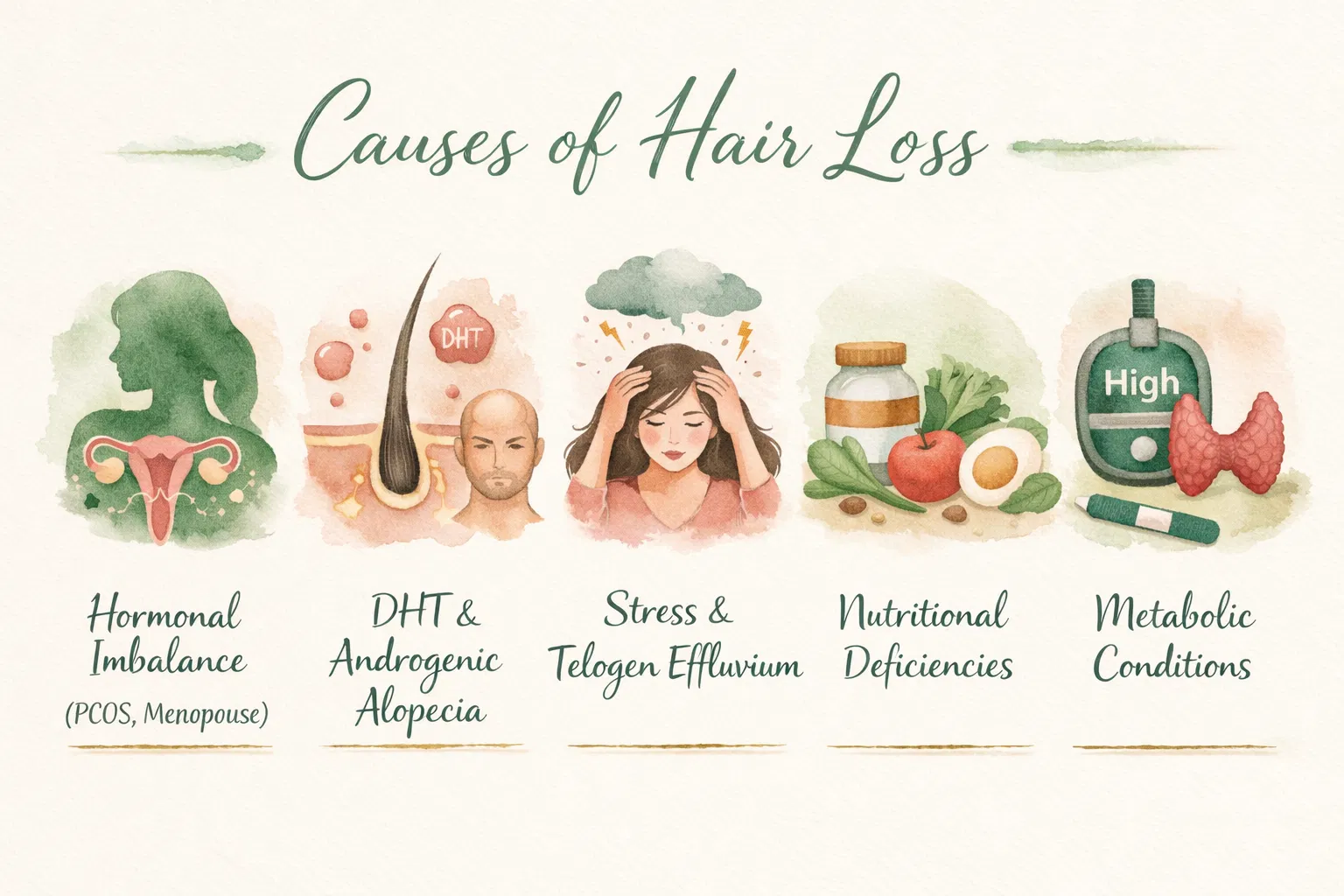
Hormones play a central role in hair growth. Conditions such as PMOS, menopause, postpartum changes, and thyroid disorders can significantly impact follicle function and hair cycling.
Dihydrotestosterone (DHT) is a key driver of male and female pattern hair loss. It binds to genetically susceptible follicles, causing miniaturization and shortening of the anagen phase.
Physical or emotional stress can push a large number of hairs into the telogen phase, leading to sudden shedding. This condition is often reversible with stress reduction.
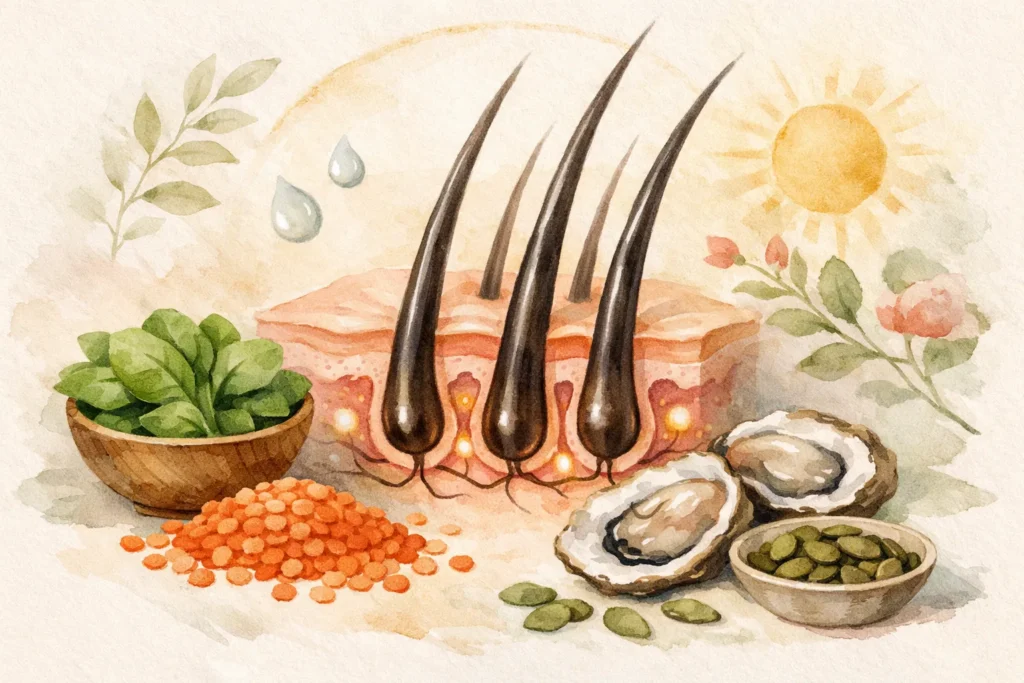
Low levels of iron, zinc, vitamin D, and protein can impair hair growth and follicle health. These nutrients are essential for keratin synthesis and follicle function.
Metabolic syndrome, insulin resistance, and chronic inflammation can negatively affect follicle cycling and scalp health, accelerating hair loss.
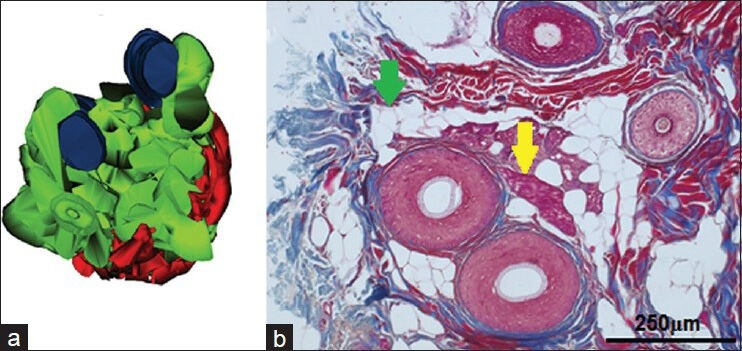
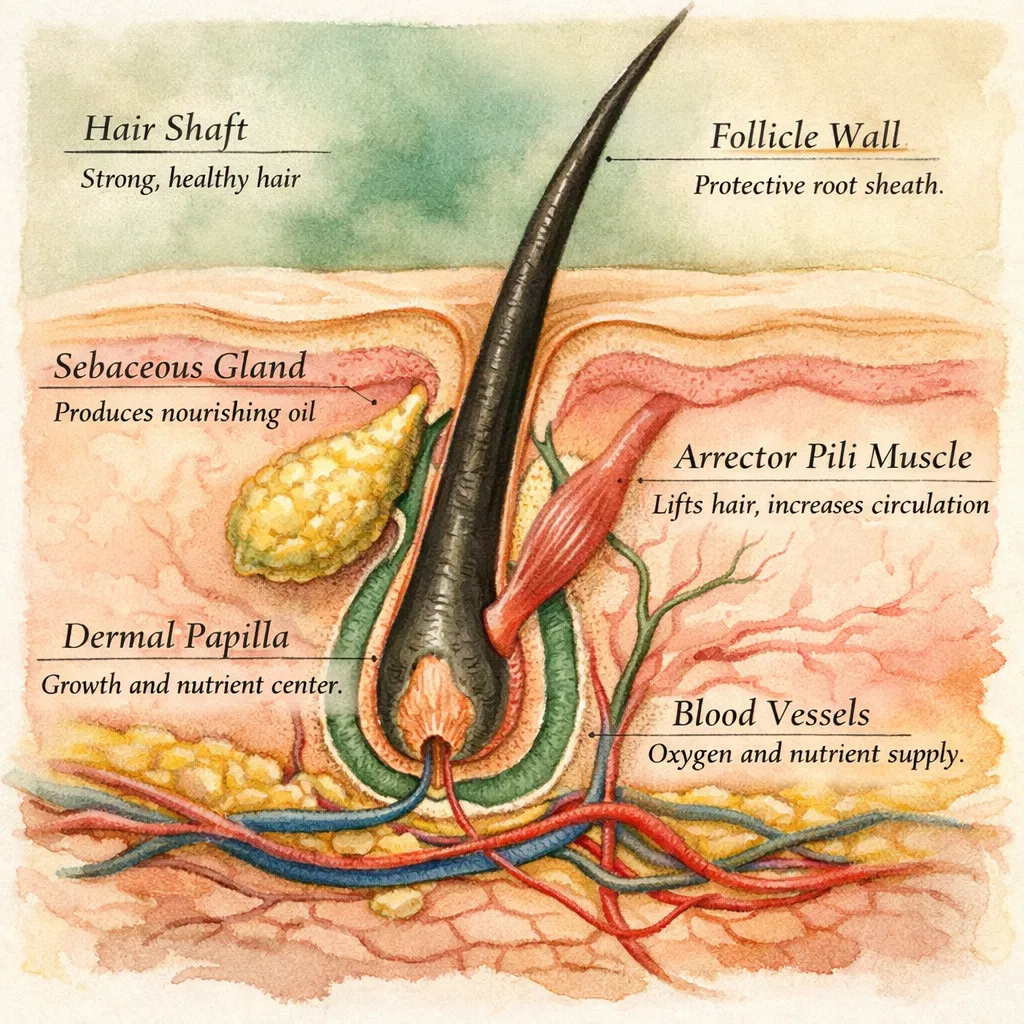
Healthy hair depends not only on hormones but also on the structural integrity of the follicle. Research has shown that changes in the arrector pili muscle, which anchors the follicle and increases circulation, are associated with irreversible hair thinning and follicle miniaturization. Maintaining follicle health is therefore crucial for long-term hair preservation.
Hairevive provides clinician-led assessment and individualised management for people experiencing hair thinning or hair loss.
Hair loss can have multiple contributing factors, including genetics, hormonal influences, medical conditions, nutritional factors, medications, and changes in the hair growth cycle. Identifying potential contributors is an important part of determining an appropriate management approach.
Following clinical assessment, our clinical team will consider your individual circumstances and may recommend appropriate treatment or further investigation. Treatment recommendations may vary between individuals and may be adjusted over time according to clinical findings and response.
Scalp health and appropriate hair-care practices may form part of an individualised management plan where clinically appropriate.
Different forms of hair loss can involve changes in the normal hair growth cycle. Understanding the pattern and progression of hair loss can help inform the management approach.
Where clinically appropriate, prescription or non-prescription treatments may be considered as part of an individual’s management plan. Prescription medicines are only recommended following appropriate medical assessment. Your doctor will discuss the potential benefits, risks, contraindications, and alternatives relevant to your circumstances.
Depending on the clinical assessment, your management plan may also include consideration of:
*Not every treatment or investigation is appropriate for every person.
Hair loss is a complex condition with different possible causes and patterns. Rather than applying the same approach to everyone, Hairevive focuses on clinical assessment and individualised treatment planning. Your treatment plan is determined by your doctor based on your medical history, clinical findings, and individual circumstances.
Hair growth is a gradual process and the course of hair loss varies between individuals. The timeframe for assessing response depends on the underlying condition and the treatment selected.
The information provided by Hairevive is informed by published scientific and medical literature. References may be provided for educational purposes and do not constitute evidence that any particular treatment is appropriate for an individual.
If you are experiencing hair thinning or hair loss, a medical assessment can help determine potential contributing factors and appropriate management options.
Create Your Plan with Hairevive
Written by A/Prof Niloufar Torkamani
A/Prof Niloufar Torkamani is a leading endocrinologist specialising in hair loss and hormonal disorders in women and men. She integrates advanced endocrine care with the latest therapies for hair restoration, including treatments targeting androgenic alopecia, hormonal imbalance, and PMOS-related hair thinning. She combines clinical expertise with evidence-based innovation, guiding patients through tailored medical solutions that optimize hair growth and overall health. A/Prof Torkamani is also involved in international research and education, promoting awareness and effective management strategies for hair loss as part of endocrine health.