Education Hub
A comprehensive guide to female hair loss stages and how Hairevive provides a one-stop solution for healthier, fuller hair.
Hair loss in women is a complex condition influenced by genetics, hormones, age, and lifestyle factors. Unlike male pattern baldness, which often presents as a receding hairline or vertex baldness, female hair loss typically follows a progressive pattern characterized by diffuse thinning across the scalp. Early recognition is critical for effective intervention and preventing progression to advanced stages.
Female hair loss is commonly categorized into four progressive stages, each with distinct characteristics and treatment implications:

Slight widening of the central part line with minimal shedding. Hair density remains relatively normal, but changes may be noticeable to the individual. This is the ideal stage for early intervention.
Noticeable hair density reduction along the central scalp with increased shedding during brushing or washing. The part line widens further and scalp visibility increases.
Extensive central scalp thinning with miniaturized follicles and visible scalp exposure. Hair loss becomes socially noticeable and psychological impact increases significantly.
Diffuse thinning across the top of the scalp with limited regrowth potential without treatment. Follicles may be severely miniaturized or dormant, requiring comprehensive intervention.
Hormonal imbalances, particularly elevated androgens and increased sensitivity of follicles to DHT, are major contributors to female hair loss. Life stages such as postpartum, perimenopause, and menopause often exacerbate thinning due to significant shifts in estrogen and progesterone levels. Understanding these hormonal drivers is essential for targeted treatment.

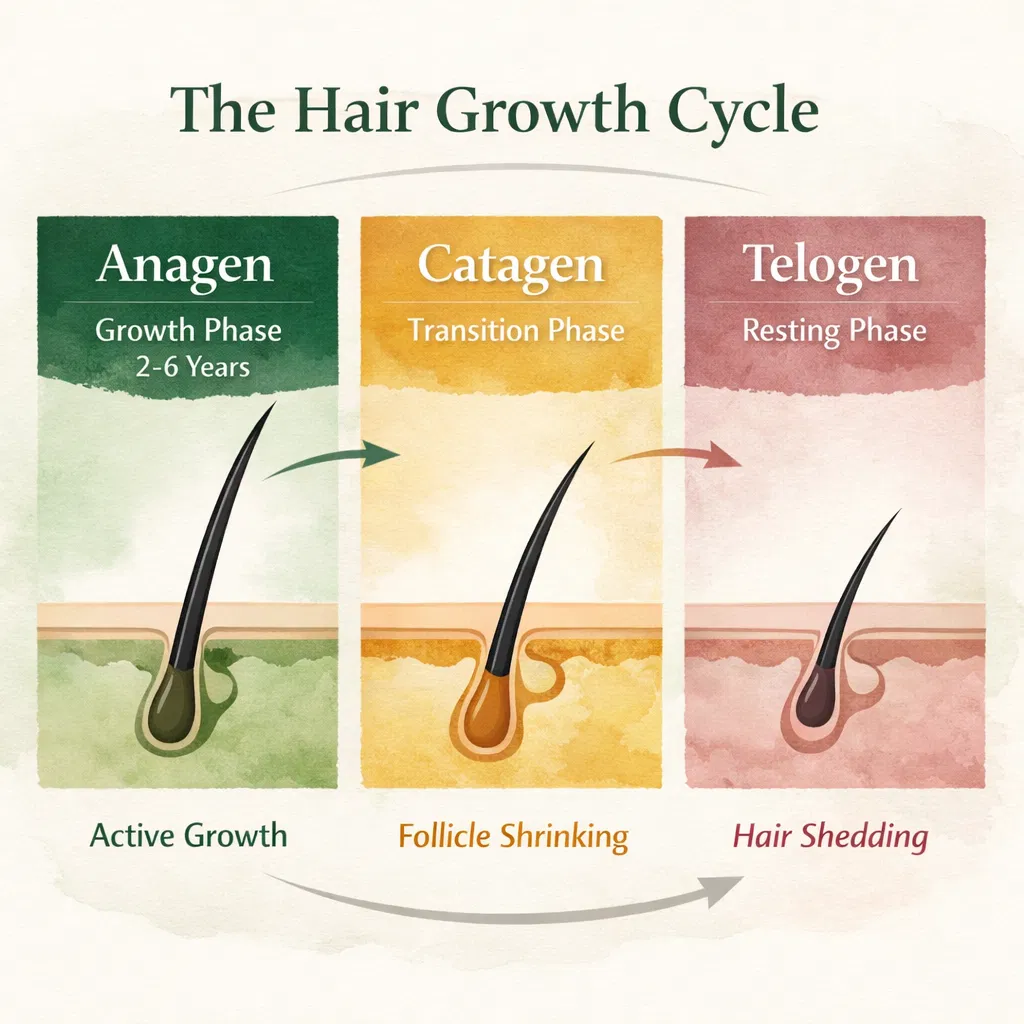
Hair loss and hair thinning can change gradually, and the course varies between individuals.
The timeframe for assessing a response depends on the underlying cause of hair loss, the individual’s circumstances, and the management approach selected. Your treatment plan may be reviewed over time and adjusted where clinically appropriate.
Consistent adherence to the recommended management plan is important. Your doctor will provide information about the appropriate use of any recommended treatment and what to expect during follow-up.
Depending on the clinical assessment, additional medical treatments may be considered where appropriate. Any prescription treatment should only be used following appropriate medical assessment and according to the directions provided by your treating clinician.
Appropriate scalp and hair-care practices may form part of an individualised management plan.
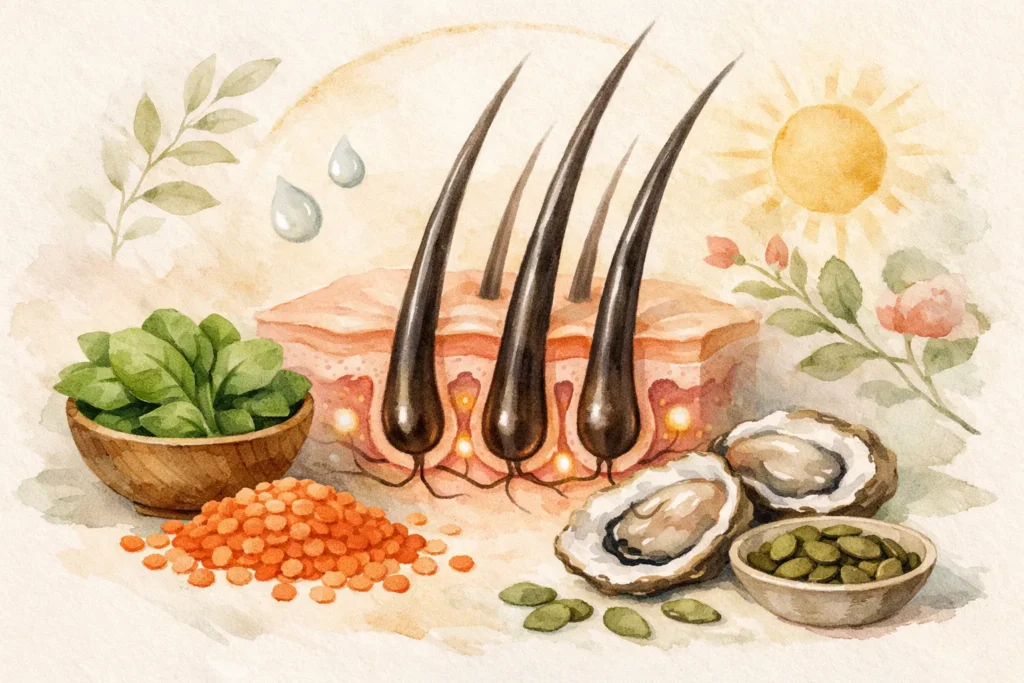
A balanced diet provides nutrients required for general health and normal hair growth. Where clinically indicated, nutritional factors may be assessed as part of the evaluation of hair loss. Nutritional supplementation is not routinely required for everyone and should be guided by clinical assessment where appropriate.
Adequate sleep, regular physical activity, and general wellbeing are important aspects of overall health. Stress can be associated with changes in the hair growth cycle in some circumstances. Where relevant, your clinician may consider potential lifestyle and medical contributors as part of the overall assessment.
Whether you’re experiencing early thinning or advanced hair loss, Hairevive offers a comprehensive solution tailored to women’s unique hair loss patterns. Early intervention can make a significant difference in your results.
Start Your Hairevive Journey Now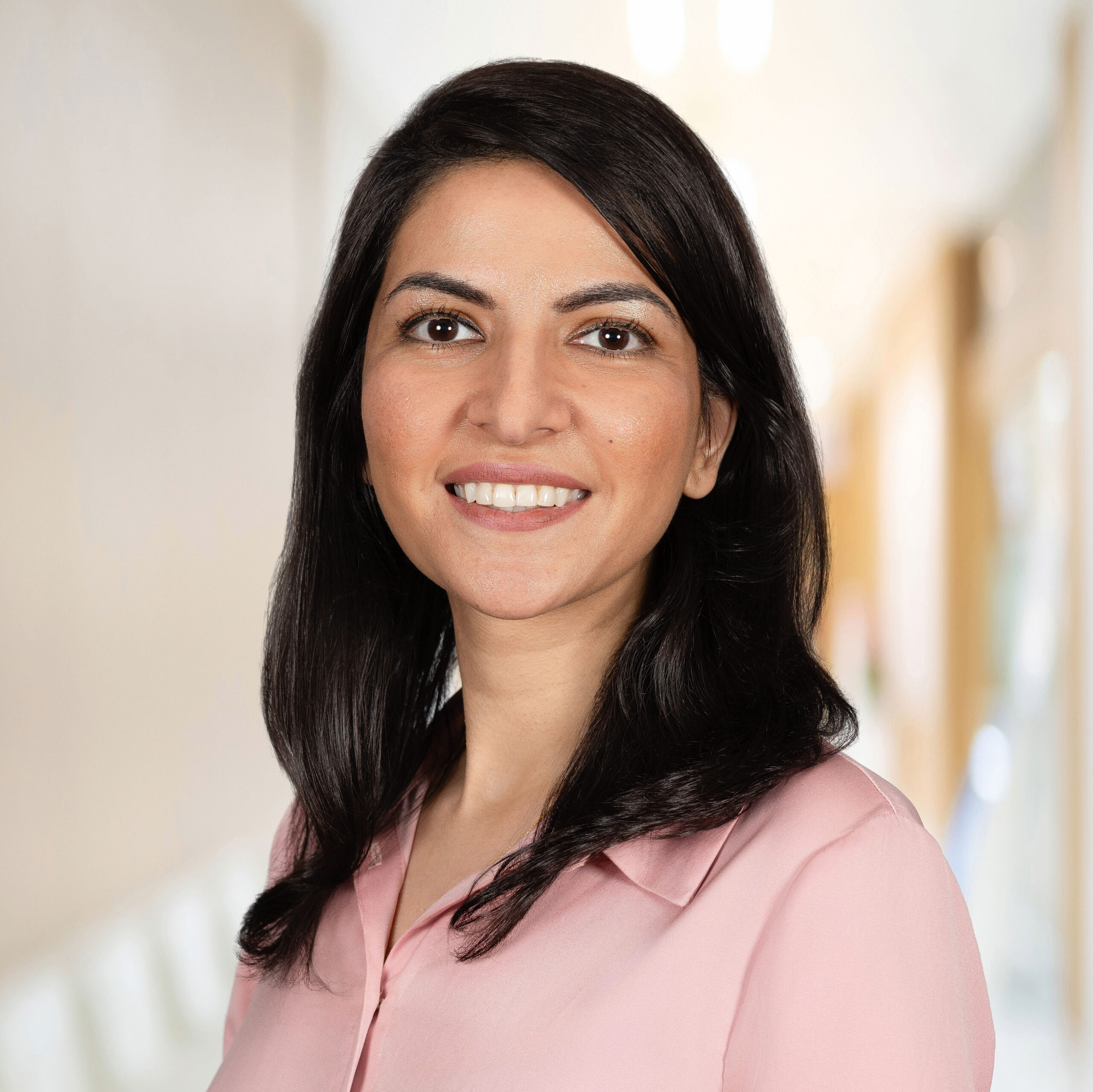
Written by A/Prof Niloufar Torkamani
A/Prof Niloufar Torkamani is a leading endocrinologist specialising in hair loss and hormonal disorders in women and men. She integrates advanced endocrine care with the latest therapies for hair restoration, including treatments targeting androgenic alopecia, hormonal imbalance, and PMOS-related hair thinning. She combines clinical expertise with evidence-based innovation, guiding patients through tailored medical solutions that optimize hair growth and overall health. A/Prof Torkamani is also involved in international research and education, promoting awareness and effective management strategies for hair loss as part of endocrine health.