Education Hub
Expert advice, causes, and treatments for hair loss linked to thyroid dysfunction. Learn how thyroid hormones regulate hair growth and what you can do to restore balance.
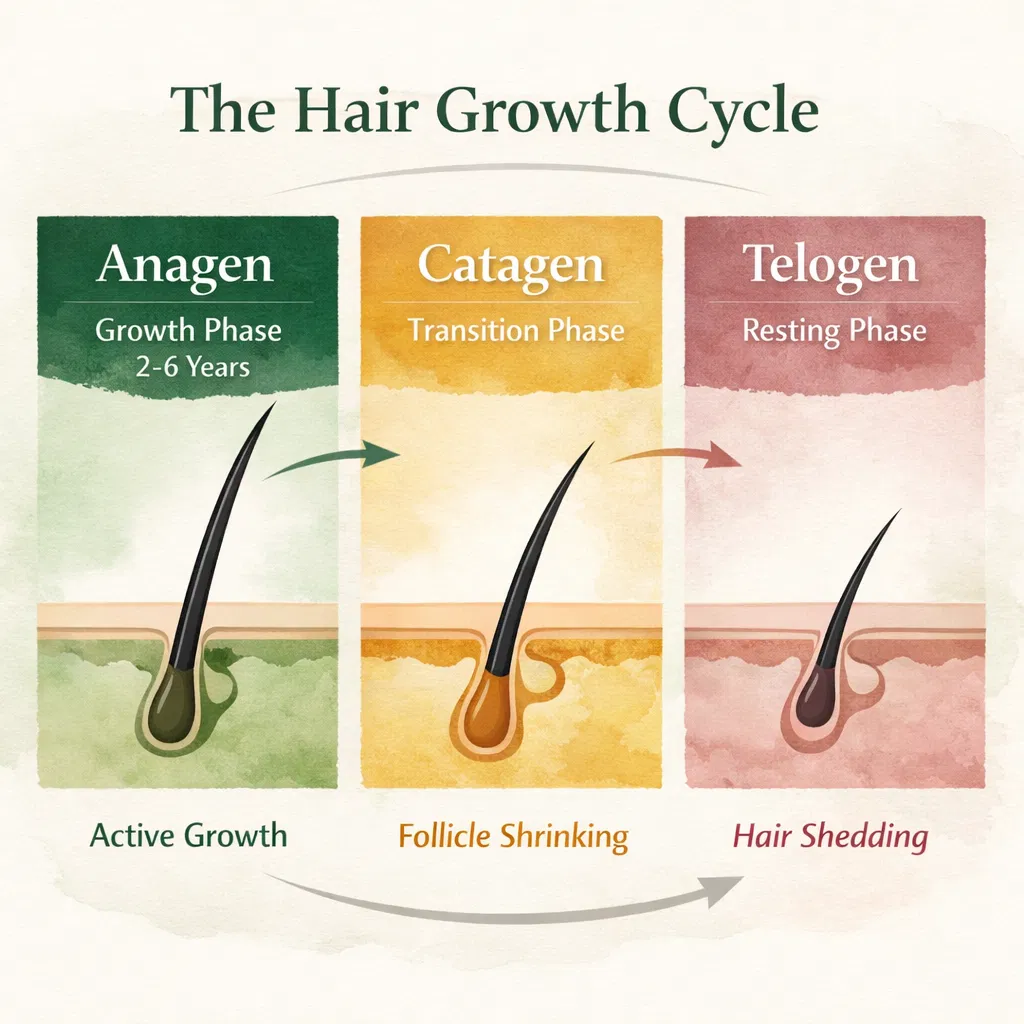
Hair loss is a common symptom of both hypothyroidism (low thyroid function) and hyperthyroidism (overactive thyroid). Thyroid hormones are critical for maintaining the anagen (growth) phase of hair. When thyroid levels are imbalanced, hair follicles enter the telogen (resting) phase prematurely, causing diffuse shedding across the scalp.
Thyroid hormones, particularly thyroxine (T4) and triiodothyronine (T3), regulate hair follicle metabolism, growth, and cycling:
Low thyroid function slows metabolism, reducing energy available for hair growth.
Overactive thyroid accelerates metabolism, pushing follicles into resting phase.
Thyroid imbalance shortens the growth phase, causing premature telogen shift.
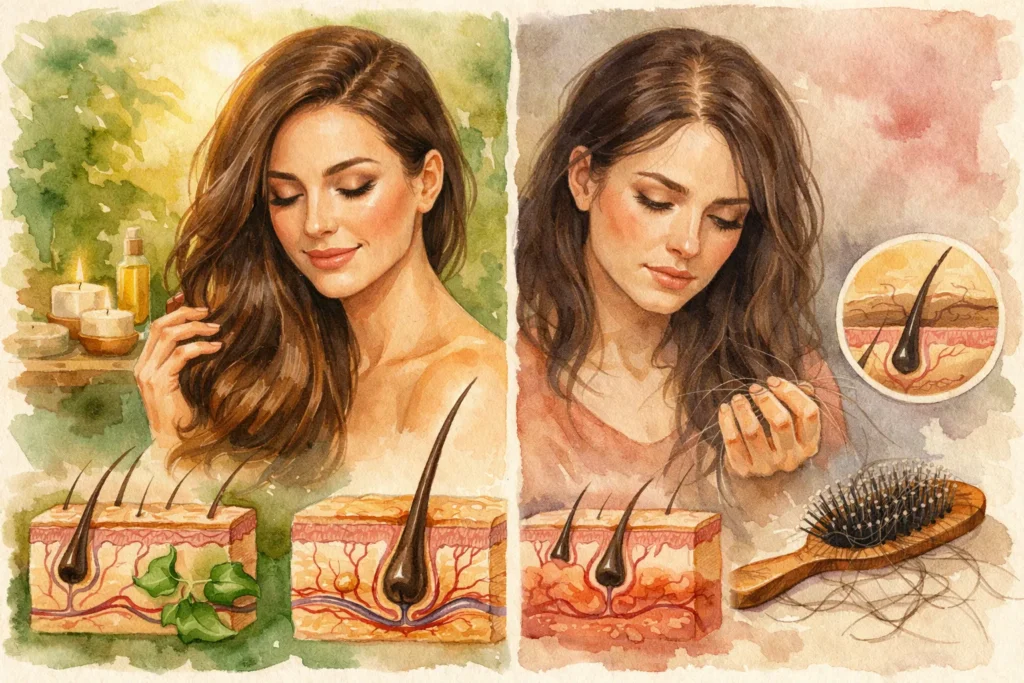
✓ Diffuse hair thinning across the scalp
✓ Slower hair growth and brittle texture
✓ Hair loss from eyebrows and body hair
✓ Increased shedding during brushing or washing
Accurate diagnosis involves medical history, physical examination, and lab testing:
TSH, free T4, free T3 levels to assess thyroid function
Check for Hashimoto’s or Graves’ disease antibodies
Iron, vitamin D, biotin, and B12 levels
Levothyroxine for hypothyroidism restores hormone balance and hair growth over several months.
Typical timeline: Hair regrowth begins 3-6 months after stabilization
Methimazole and other agents for hyperthyroidism normalize thyroid levels.
Typical timeline: 2-3 months for thyroid normalization
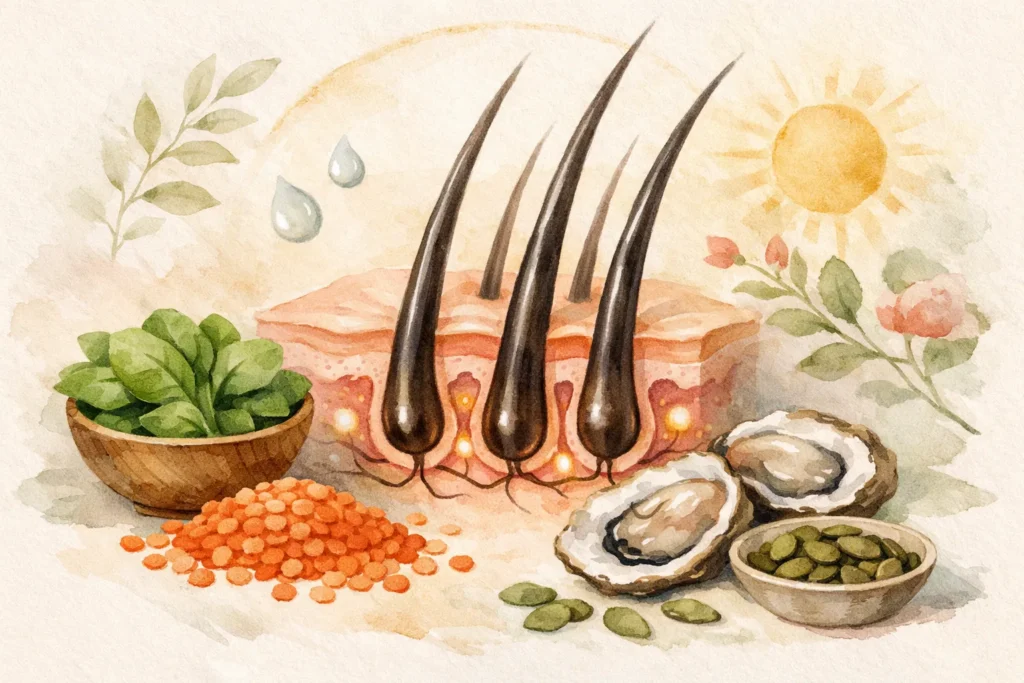
Adequate protein, iron, zinc, and vitamins are essential for follicle recovery.
Key nutrients: Iron, B12, Vitamin D, Biotin, Zinc
Minoxidil may be considered in persistent cases after thyroid normalization.
Best used after thyroid levels are stable
Thyroid-related hair loss is a reversible condition when underlying hormone imbalances are addressed. Early diagnosis and treatment are crucial for preventing prolonged hair shedding and promoting healthy regrowth. If you suspect thyroid-related hair loss, consult with an endocrinologist for comprehensive testing and personalized treatment.

Written by A/Prof Niloufar Torkamani
A/Prof Niloufar Torkamani is a leading endocrinologist specialising in hair loss and hormonal disorders in women and men. She integrates advanced endocrine care with the latest therapies for hair restoration, including treatments targeting androgenic alopecia, hormonal imbalance, and PMOS-related hair thinning. She combines clinical expertise with evidence-based innovation, guiding patients through tailored medical solutions that optimize hair growth and overall health. A/Prof Torkamani is also involved in international research and education, promoting awareness and effective management strategies for hair loss as part of endocrine health.